
-
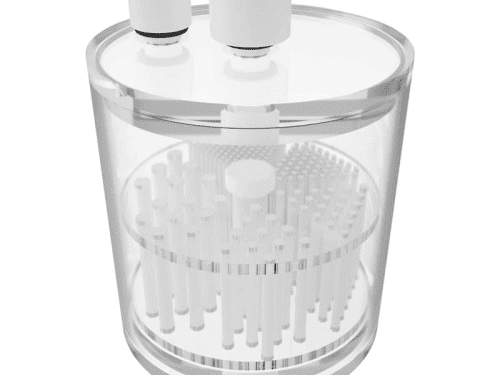 The phantom for performance evaluation of small animal systems or ultra-high resolution ECT systems.
 -
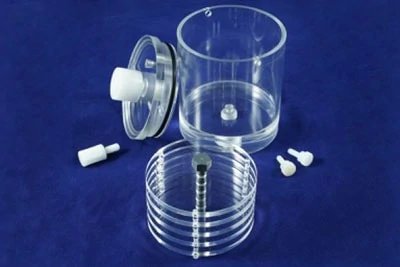 The Defrise Phantoms (also known as the disc phantom) is used to identify cone-beam artifacts. The phantom is available in three sizes: Mini, Micro, and Ultra-Micro.
 -
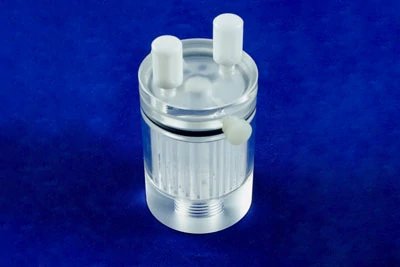 The Hot Spot phantom is designed for SPECT, but may be utilized for PET. The phantom is offered in three sizes: Micro, Mini, and Ultra-Micro.
 -
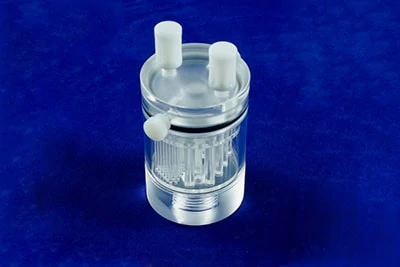 The Micro Deluxe phantom is a preclinical product that has both SPECT and PET capabilities. The phantom helps with spatial resolutions and mis-calibration.
 -
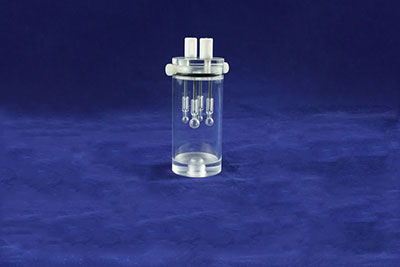 The Micro Hollow Sphere Phantom mimics a hot or cold spherical “lesion”.
 -
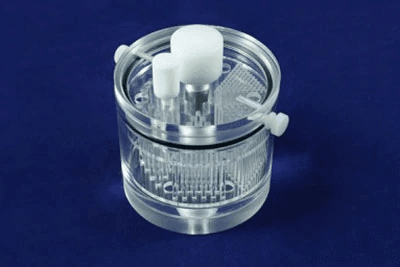 The Mini Deluxe phantom is a preclinical product that has both SPECT and PET capabilities. The phantom helps with spatial resolutions and mis-calibration.
 -
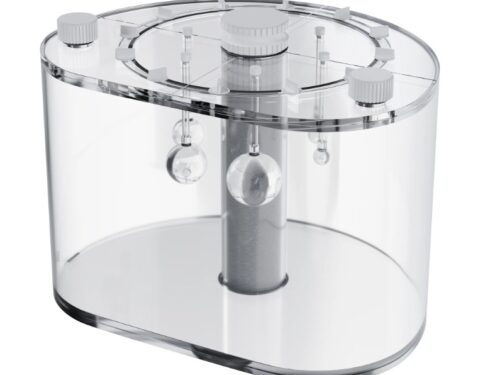 The phantom for evaluating performance of positron emission tomographs (PET). Recommended for use in the evaluation of reconstructed image quality in whole body PET imaging.
 -
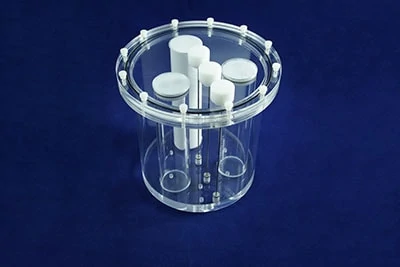 Main application of Pro-NM NEMA 94 is PET acceptance testing with NEMA standard. Evaluation of count rate, uniformity, scatter fraction, attenuation compensation, and scatter compensation of ECT systems.
 -
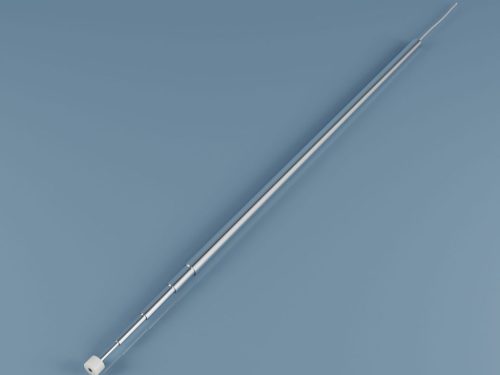 The PET sensitivity phantom is used to measure the sensitivity or ability of positron emission tomographs to detect positrons. The phantom used for this purpose is a set of five metal tubes with a similar wall thickness.
 -
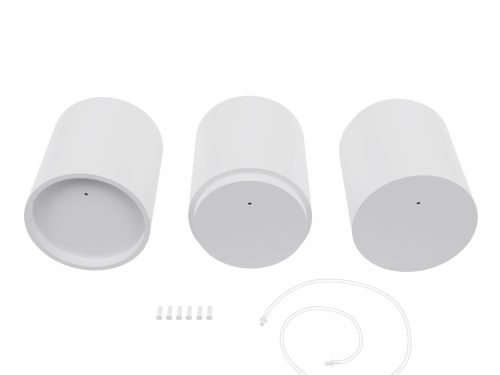 The PET scatter phantom is an acceptance testing tool used to determine the imaging systems relative sensitivity to scatter radiation. It can be used to measure the effects of dead-time and the effects of random events generated at different levels of activity of the line source.
 -
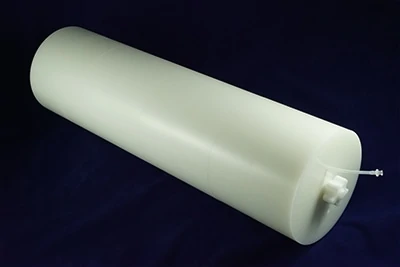 The Nema Scatter Phantom is designed in accordance with the recommendations by the National Electrical Manufacturers Association (NEMA) to standardize the measurement of count rate performance of a scintillation camera in the presence of scatter.
 -
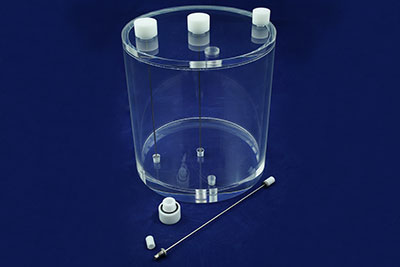 The NEMA SPECT Triple Line Source Phantom is designed in accordance with the recommendations by the National Electrical manufacturers Association (NEMA) to standardize the measurement of reconstructed spatial resolution of SPECT
 -
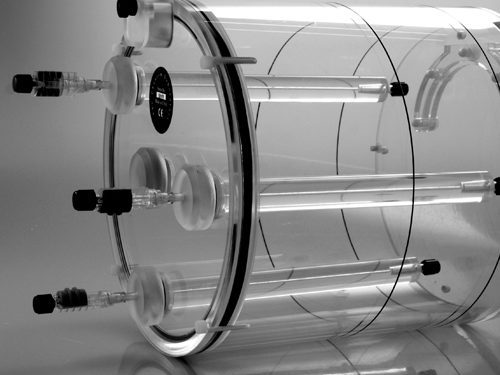 ECT Line Source Phantom (SMR355) The ECT Line Source Phantom is a cylindrical, liquid filled container with 3 line source inserts.
 -
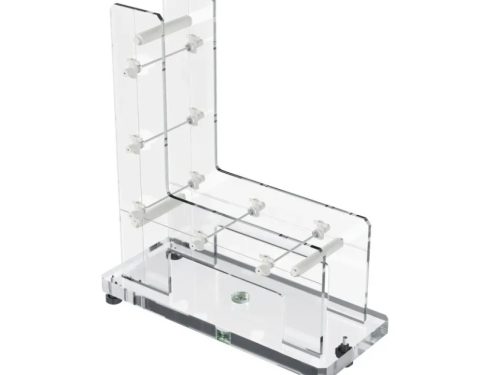 A phantom for evaluation of spatial resolution of positron emission tomographs (PET). It is used to characterize the widths of the reconstructed image point spread functions (PSF) of compact radioactive sources. It has been designed in accordance with the NEMA Nu 2-2012.
 -
 This SPECT dedicated phantom can be used to produce images similar to those obtained in a whole body tomographic imaging study, with hot and cold lesions and a large cold region representing the lung.
 -
 The phantom for NM systems performance evaluation: routine quality assurance tests, as well as extensive acceptance tests. It can be used to evaluate: pixel size, spatial linearity, RMS noise, signal to noise ratio (SNR), slice width, uniformity, spatial resolution, point spread function, slice position verification, slice incrementation, accuracy, center of rotation, verification, volume sensitivity and low contrast sensitivity.
 -
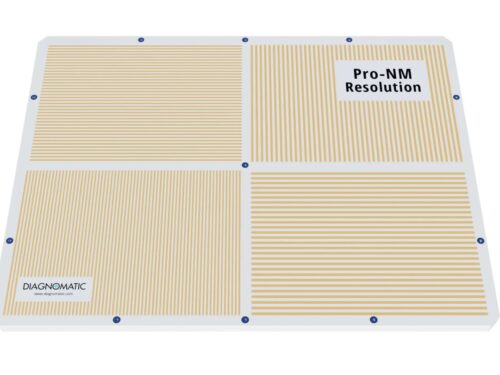 The bar phantom for determination of resolution of Scintillation Cameras. Four-quadrant phantom offers precise determination of camera intrinsic resolution, collimator spatial resolution, field size and linearity.
 -
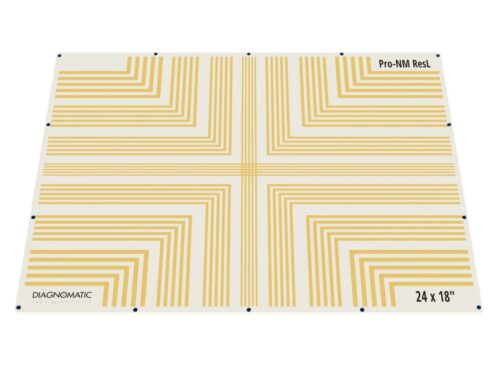 Pro-NM ResL for determination of resolution of Scintillation Cameras. The phantom offers precise determination of camera intrinsic resolution, collimator spatial resolution, field size and linearity.
 -
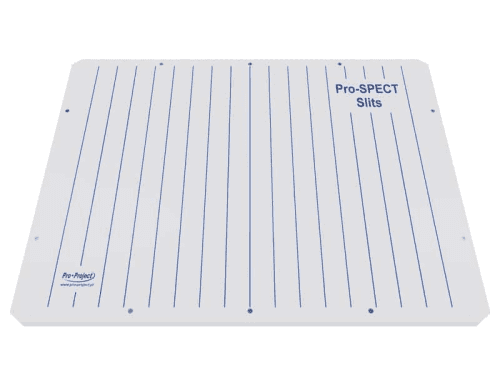 Slits phantom for Intrinsic Spatial Resolution evaluation (Quantitative technique) according to NEMA Standards Publication NU 1-2012. In addition to this standard size phantom, we offer different sizes and configurations manufactured to the highest quality standards.
 -
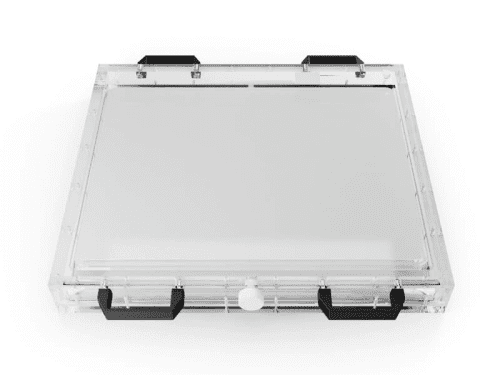 The Pro-NM AutoFlood is dedicated for weekly inhomogeneity and sensitivity control and acquisition of correction matrices, according to revised Guideline on Radiation Protection in Medicine.
 -
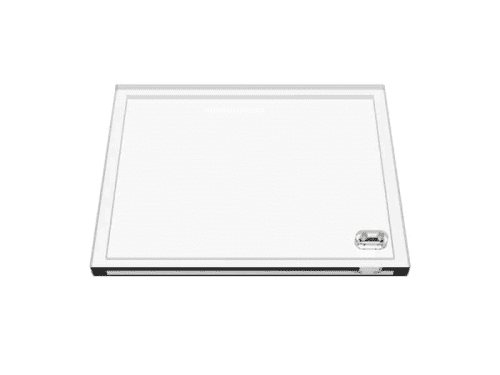 Flood phantoms provide a simple and efficient means of obtaining optimum camera performance with respect to uniformity of response over the entire crystal area. These phantoms are designed to be filled in horizontal position, thus preventing slight bulging caused by water pressure during vertical filling. Therefore, better uniformity in distribution of activity can be achieved.
 -
 Flood phantoms provide a simple and efficient means of obtaining optimum camera performance with respect to uniformity of response over the entire crystal area.
 -
 A simple phantom the quality assurance of geometric distortion and spatial resolution of gamma cameras. Array of holes, which when filled with activity, allows to measure point-to-point distances and Point Spread Function (PSF) - spatial resolution - at each point and its homogeneity across the entire Field of View.
 -
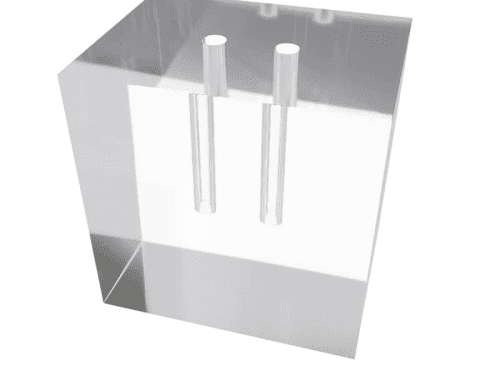 This scatter phantom simulates in-vivo forward and backscatter characteristics of 99mTc gamma rays for the extrinsic measurement of a scintillation camera’s deadtime. The phantom produces a spectrum typical of that observed from 99mTc in the myocardium. Reference: Ralph Adams, Gerald J. Hine, and C. Duane Zimmerman, “Deadtime Measurements in Scintillation Cameras Under Scatter Conditions Simulating Quantitative Nuclear Cardiography,” The Journal of Nuclear Medicine, 19 (1978), 538-544.